
Catapults

Building the Future of Telecoms: Energy-Efficient, Secure, and Scalable Networks

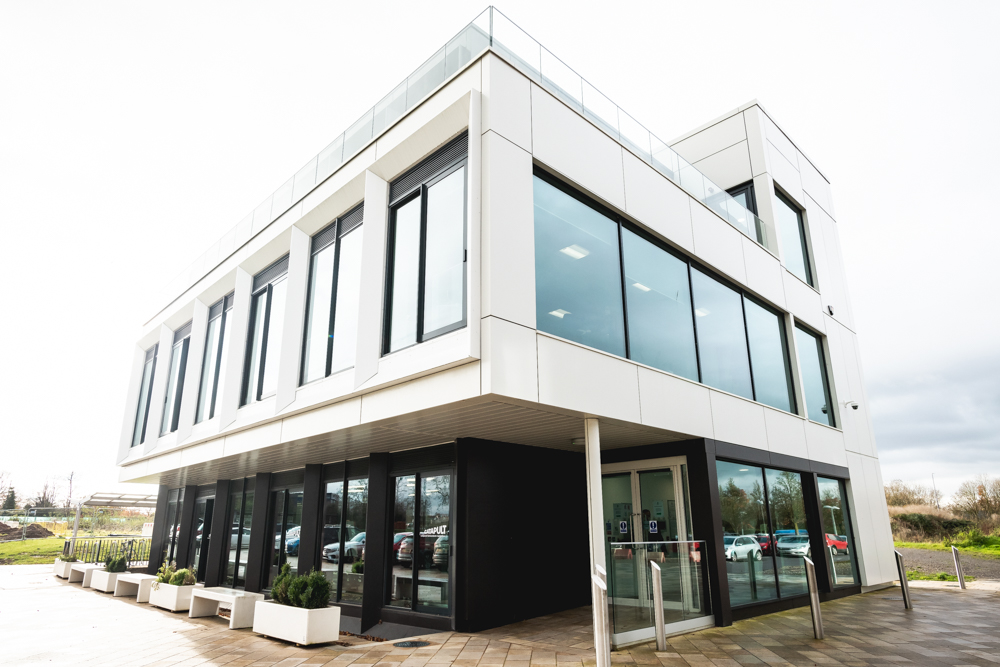
Modern two-story office building with large glass windows and a small entrance area. - CSA Catapult

Future Telecoms Hub

The Future Telecoms Hub (FTH), launched in Bristol in 2023 by CSA Catapult, is driving the UK’s ambition to build secure, energy-efficient, and sustainable next-generation telecoms networks. Backed by Innovate UK funding, the Hub focuses on advancing telecoms hardware, improving energy efficiency, and strengthening network security through innovation in radio frequency (RF), photonics, and quantum technologies.

Guided by the UK’s Modern Industrial Strategy, the Hub drives innovation in open, next-generation networks, strengthens supplier diversity, and helps position the UK at the forefront of advanced connectivity technologies. Its mission is to help UK companies – especially SMEs – develop, test, and scale hardware that underpins faster, more efficient, and more secure communications infrastructure.

The challenge

Telecoms networks are the backbone of our connected world – but they are also among the most energy-intensive systems. In mobile networks, power amplifiers account for up to 80% of energy use in base stations, making them a major contributor to operational costs and carbon emissions.

At the same time, the UK’s telecoms sector faces growing pressure to strengthen security, increase supplier diversity, and reduce reliance on proprietary systems. The government’s Wireless Infrastructure Strategy identifies Future Telecoms as a national growth area, calling for new technologies that can enhance energy efficiency, support Open RAN architectures, and ensure network resilience.

The Future Telecoms Hub was created to tackle these interconnected challenges – developing innovative, UK-based solutions that improve energy performance, enhance security, and strengthen domestic telecoms supply chains.

The approach

The Hub combines state-of-the-art facilities with expert engineering support to accelerate hardware innovation. Its work centres on translational research and commercial testbeds that help companies design, prototype, and validate telecoms components more quickly and affordably.

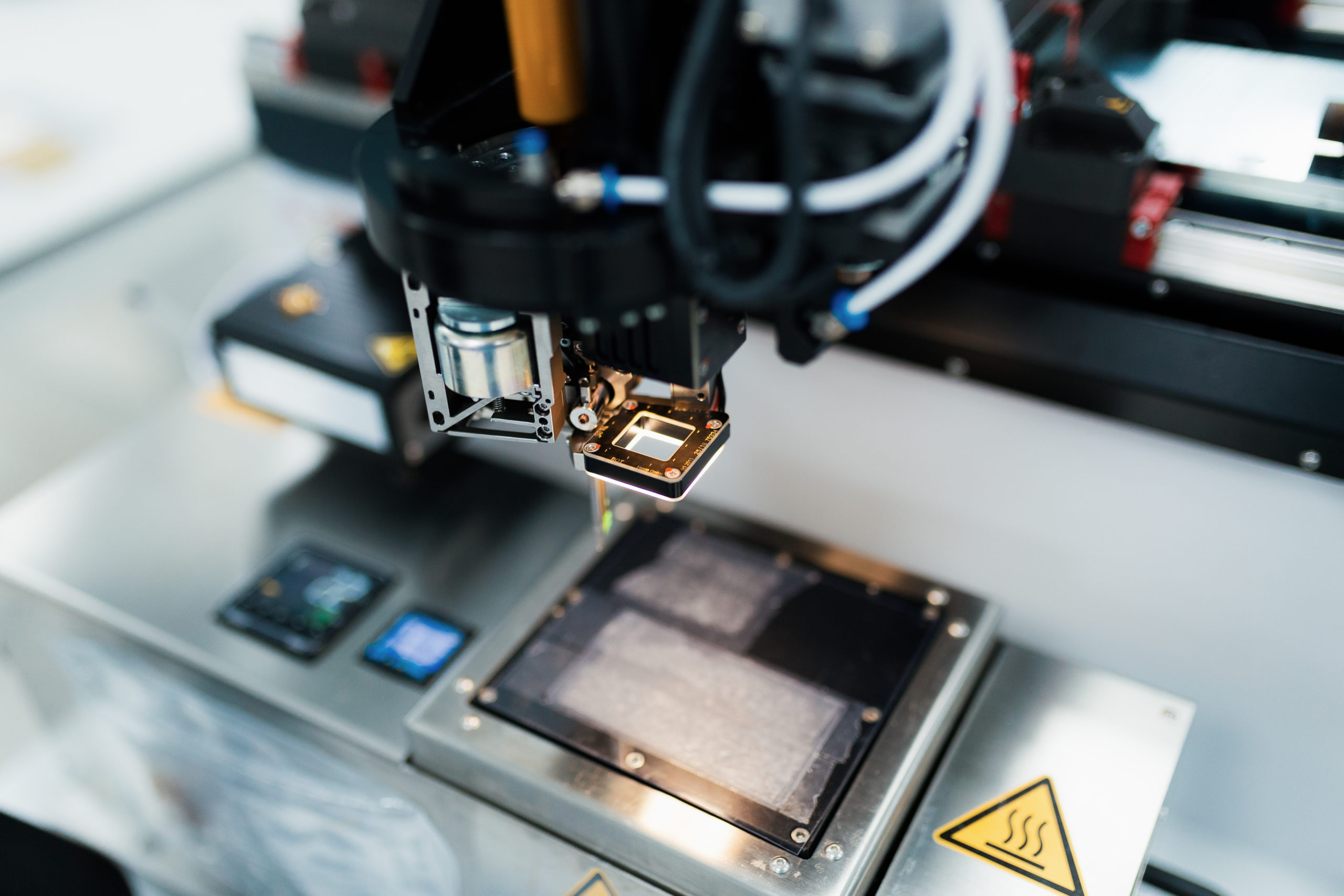
A key early focus has been optimising RF power amplifiers through load-pull testing and design refinement, addressing one of the biggest sources of energy inefficiency in today’s networks. The installation of advanced tools in the Hub space – such as the EXFO tunable laser and fast detector system – is enabling precise optical characterisation, supporting faster design iterations and reduced time-to-market for photonic devices.

Since opening, the Hub has delivered major projects including ORanGaN, AURA, and Secure 5G, drawing on expertise from CSA Catapult’s headquarters in Newport and regional centres across the UK. These projects connect academia and industry, helping to turn world-class research into market-ready telecoms technologies.

The outcome

The Future Telecoms Hub has already demonstrated tangible progress in advancing energy-efficient and secure telecoms hardware. Fifteen projects linked to future telecoms have been delivered since 2020, involving 72 partners and achieving an average Technology Readiness Level (TRL) increase of 2.4.

Companies collaborating with CSA Catapult have collectively secured £71.8 million in private investment and £58.1 million in public funding, reflecting strong confidence in UK-led telecoms innovation. Two new technology demonstrators (EVMs) have been developed to support SME engagement and industry testing.

The Hub’s work has produced 11 academic publications and contributed to the commercialisation of four new products, including a quantum-secure 5G unit. It has also enabled six new supply chains and helped increase customer export activity by 10%, strengthening UK competitiveness in the global telecoms market.

Impact

The Future Telecoms Hub is accelerating the UK’s shift towards faster, greener and more secure networks. By leading advances in Open RAN, energy-efficient hardware, and quantum-secure communications, it supports the development of next-generation telecoms systems that reduce environmental impact and enhance national resilience.

Impact

Empowering SMEs

By giving businesses access to world-class testbeds, expert guidance and compound semiconductor technology, the Hub lowers the barriers to hardware innovation. SMEs can trial new ideas with less risk, faster turnaround times and reduced development costs—helping them scale more quickly and compete in global markets.

Impact

Creating Jobs and Developing Skills

The programme has contributed to around 315 new jobs, while safeguarding many more across the telecoms supply chain, supporting inclusive economic growth. Through CSA Catapult’s Researcher-in-Residence scheme, 15 external researchers – six specialising in Future Telecoms – have gained hands-on experience, helping build the talent pipeline needed for the UK’s long-term telecoms growth.

Impact

Building Stronger Supply Chains and Export Growth

With six new supply chains established and exports rising by an average of 10% for companies that have worked with us, the Hub is strengthening UK competitiveness worldwide. Its location in Bristol places it at the centre of a thriving tech ecosystem, enabling deeper collaboration between industry and academia and supporting the UK’s ambition for sovereign, sustainable telecoms capability.

Get in touch.

To learn more about how we can work together, get in touch with a member of our team today.

Contact Us