



** Comparable energy usage based on 10-12TWh per year for a 10,000 rack AI campus and Aluminium Smelting facility or steelworks.

Date: 13.05.2026
Topics: AI, Supply Chains



Find out more about how we can help get your products to market faster
Contact us HMGCC CO-Creation Challenge: Imaging hidden objects in walls
Could your technology help reveal hidden objects concealed in walls, ceilings and floors? This is the […]
 London Tech Week Round Table Report
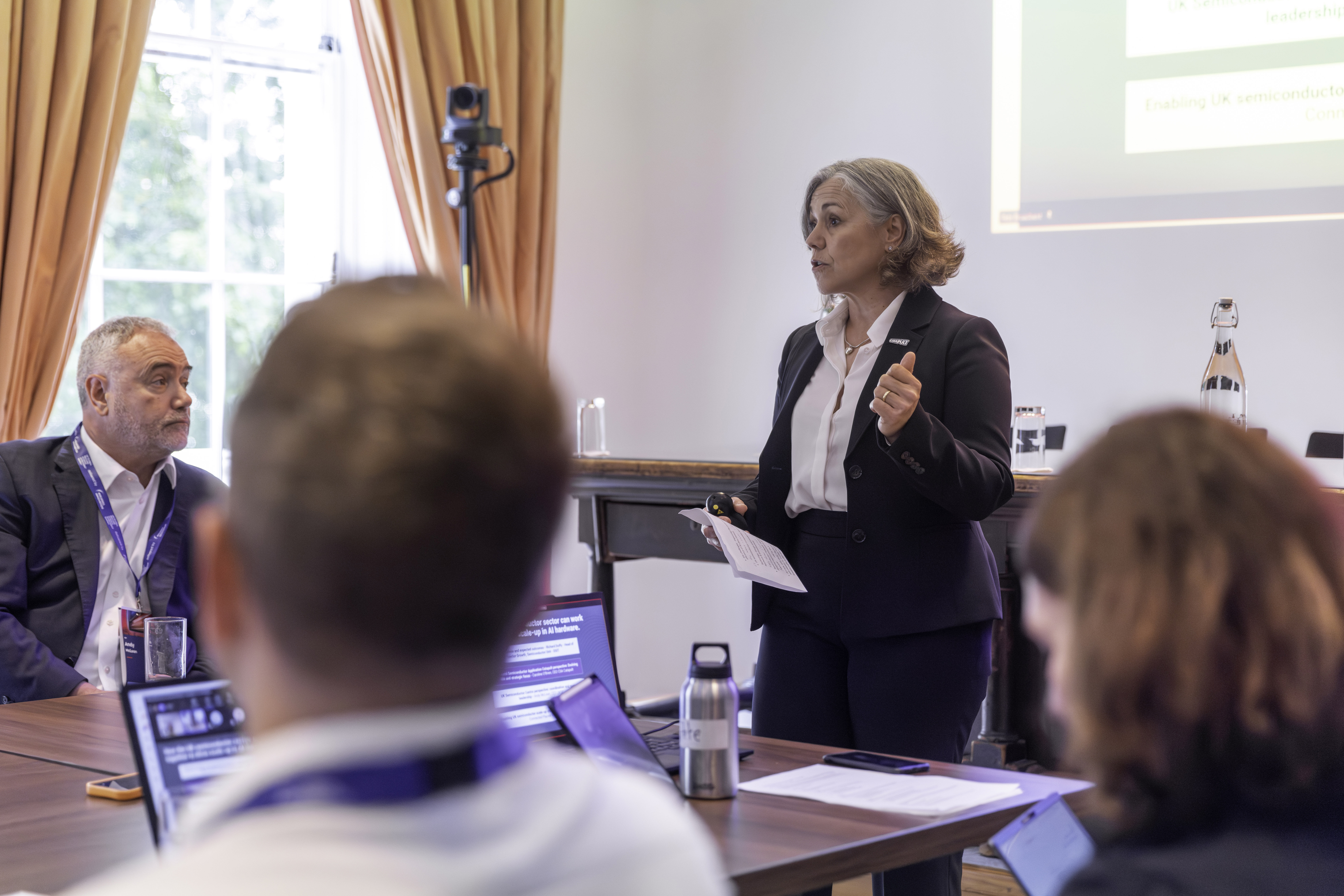
At London Tech Week, we brought together industry leaders and government to explore exactly that, in a roundtable hosted alongside the UK Semiconductor Centre.
 The Forefront of AI Infrastructure
CSA Catapult works SMEs and start-ups to scale up, and de-risk the transition to high-performance systems, turning a growing infrastructure challenge into commercial advantage.