
Electric transport using compound semiconductors will reduce carbon dioxide emissions.





@FutureBEV: Accelerating technologies for future battery electric vehicles
Case studies | Completed Projects | Technology acceleration | Academic collaboration Find out more
GaNTT – Gallium Nitride Trench-FET Development for Automotive Power Applications
Case studies | Completed Projects | Technology acceleration | Supply chains Find out more
High T Hall
Case studies | Completed Projects | Technology acceleration | Supply chains Find out more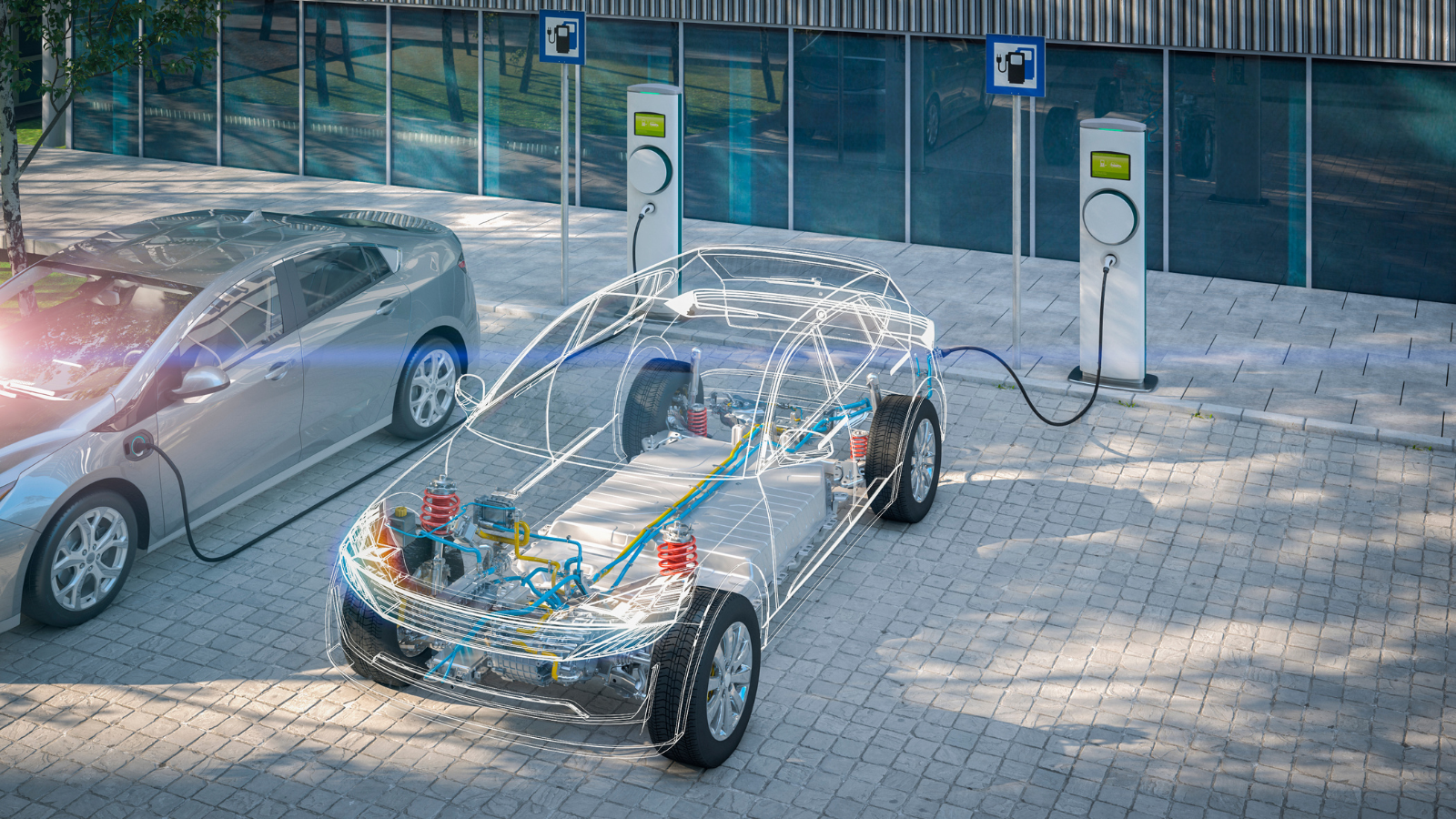
The HiCap project: developing a new UK supply chain for power electronic converters
Case studies | Completed Projects | Supply chains Find out more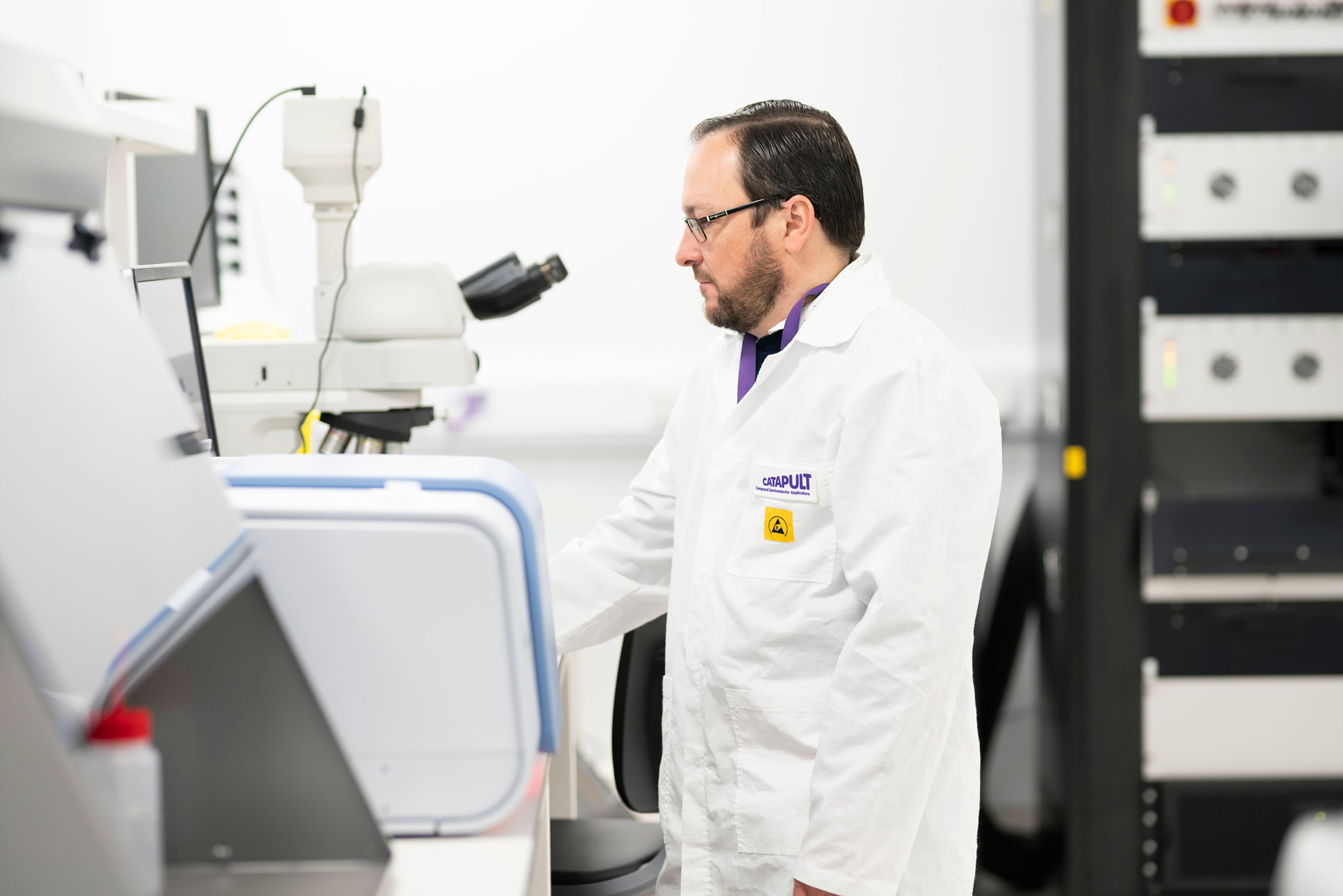
Work with us
We are a trusted and neutral convener that can help bring your ideas to life and your products to market more quickly. We provide access to state-of-the-art equipment and world-leading know-how to help start-ups, SMEs, large organisations and academia advance their compound semiconductor technologies.


Power electronics
Our world-leading team of experts has the know-how, experience and track record in developing and commercialising high-performing power electronics devices for automotive, energy and industrial applications.

RF & microwave communications
Our radio frequency and microwave communications experts help optimise the performance and improve the energy efficiency of RF and microwave devices in future telecoms, space, defence and security industries.

Photonics
We are experts in the design, modelling, characterisation and validation of photonics devices, from laser emitters to photonic integrated circuits and quantum hardware.

Advanced packaging
We provide a unique capability in advanced packaging for UK industry. We deliver bespoke solutions to the many complexities associated with compound semiconductor devices.
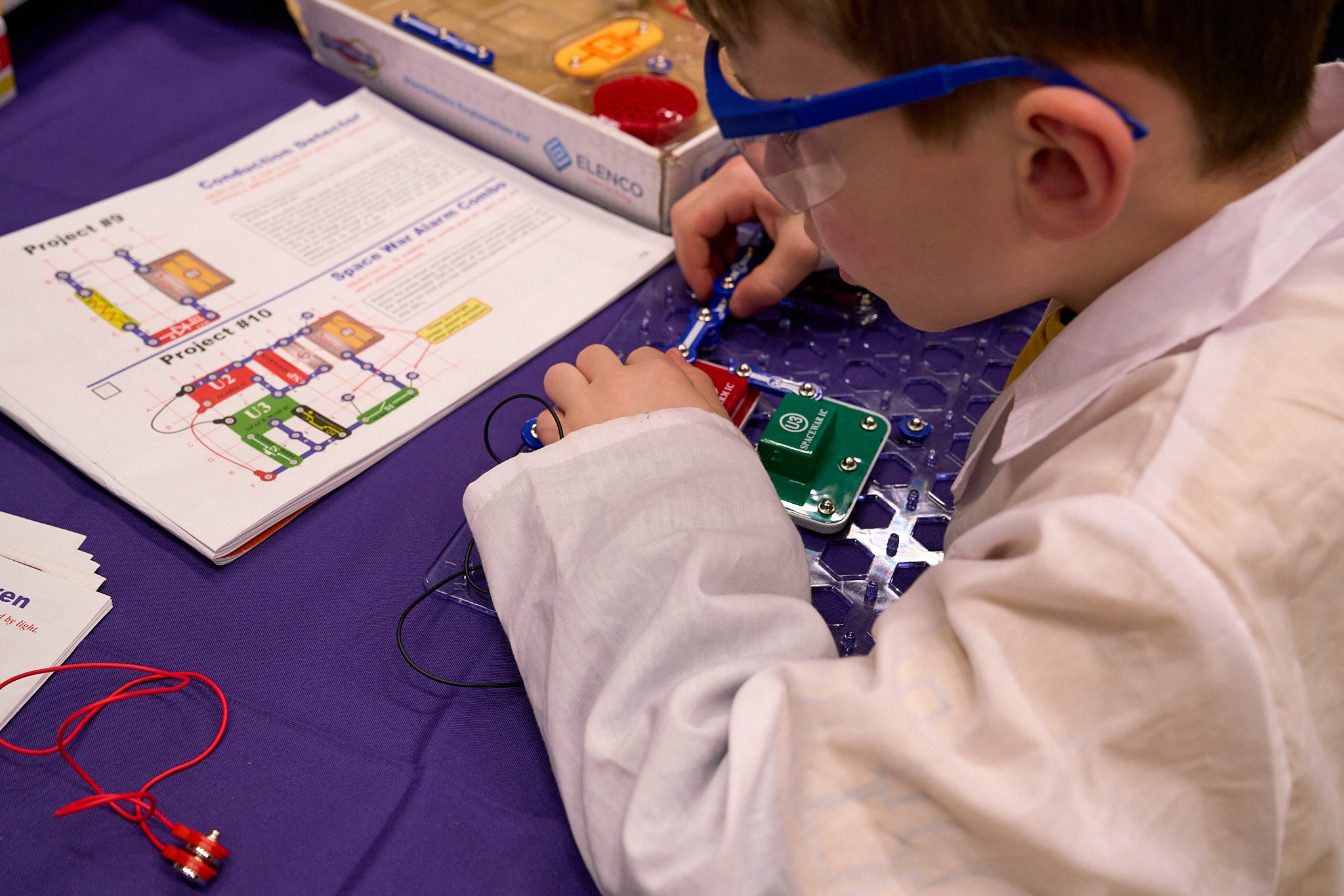 Tech interns inspire over 600 students at Cardiff Science Festival
Virtual reality and the role of circuits in smartphones were just two of the […]
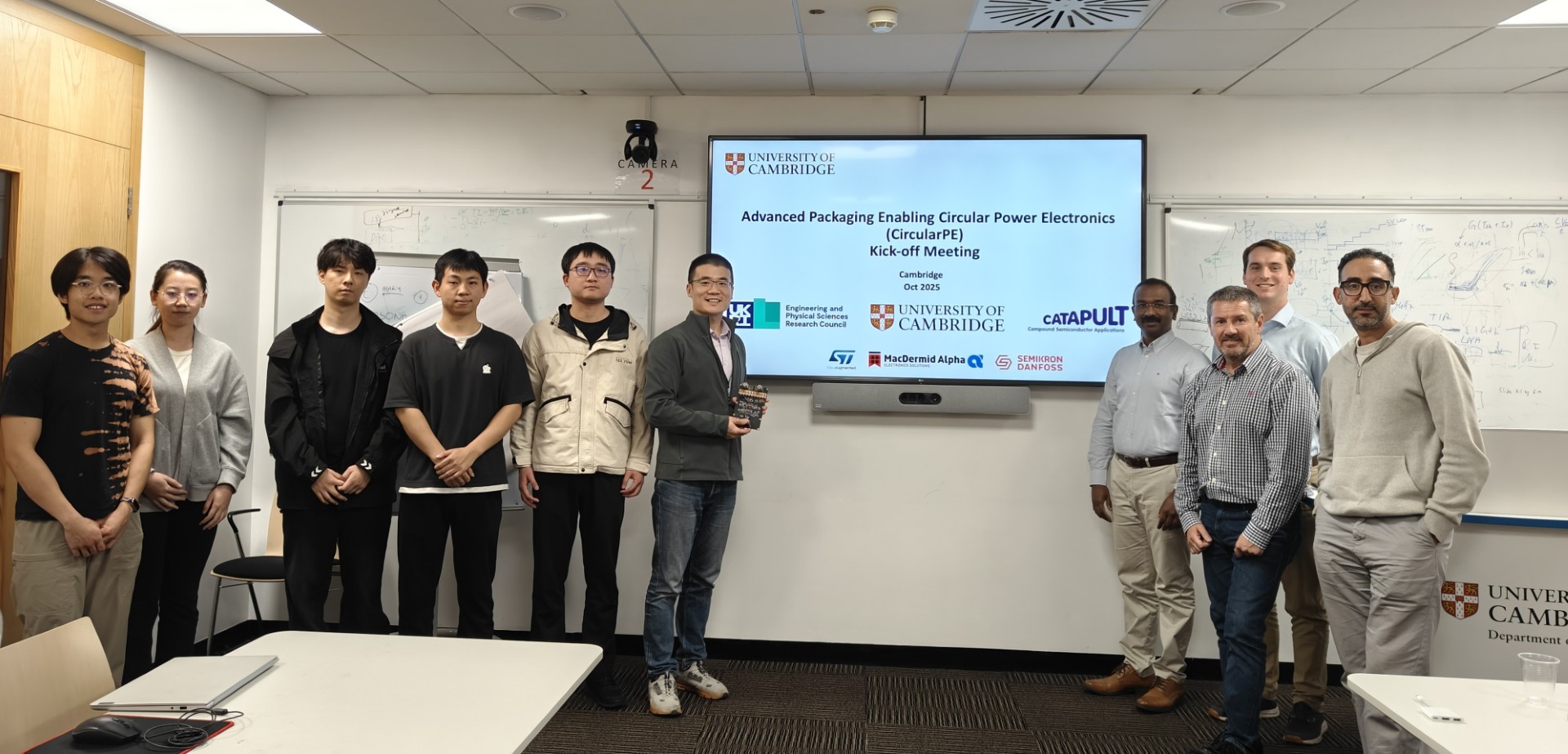 New project to cut e-waste by designing recyclable power electronics
This innovation comes at a critical time. Around 74 million tonnes of electronic waste […]
 CSA Catapult joins JOINER Network to convert research into sovereign capability for AI-driven and quantum-secure telecoms applications
Through an open private, optical fibre network users can access expertise from more than 15 labs from the UK and beyond, to frame […]
Stay up to date on the latest CSA Catapult news and opportunities.
Sign up